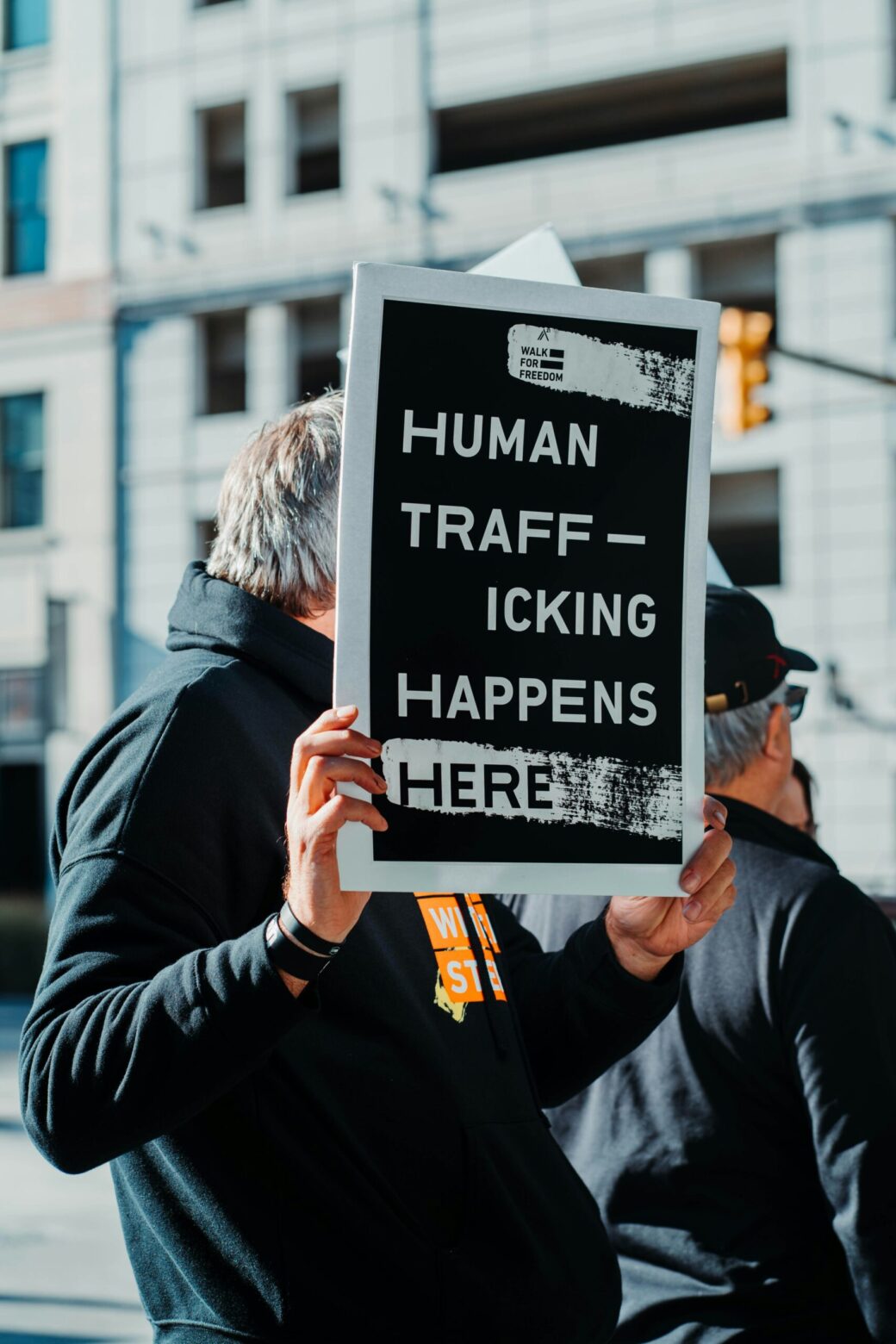
Human trafficking often unfolds in plain sight—behind hotel lobbies, within guest rooms, and in the back-of-house corridors of properties that display familiar franchise names.
While major brands provide reservation systems, loyalty programs, and standards for service and appearance, the day-to-day operation of many hotels is frequently left to local owners and managers. That separation of ownership and brand creates fault lines that traffickers exploit: hotels offer anonymity, transient occupancy, cash transactions, and private spaces that make them attractive venues for exploitation.
Short stays, late check-ins, requests for multiple rooms or frequent room changes can be normalized in busy hotels, and understaffed, undertrained employees—especially in budget and midscale properties—may lack the resources or protections necessary to identify and report suspicious activity. Back-of-house areas and service corridors further enable concealment, while opaque booking and payment practices complicate investigations.
Brands often point to franchise agreements and limited operational control to distance themselves from incidents at franchised properties, creating a form of plausible deniability.
Corporate audits typically emphasize cleanliness, guest satisfaction, and revenue metrics rather than rigorous safety and compliance checks; anti-trafficking policies on paper may exist, but training without enforcement, weak whistleblower protections, and audits focused on appearances leave significant gaps. Employees who are best positioned to detect trafficking—housekeeping and front-desk staff—frequently face retaliation, job insecurity, or immigration-related fears that deter reporting. Meanwhile, financial incentives tied to occupancy and positive reviews can disincentivize disruptive investigations or public disclosure when a property is implicated.
The consequences for survivors and communities are severe. Victims endure physical and psychological harm, restricted movement, and threats that extend to family members; local safety and civic trust are eroded when hotels become nodes in trafficking networks.
Investigations are resource-intensive, requiring coordination across jurisdictions and the tracing of payments, bookings, and employment records. Although some brands have introduced hotlines and training modules, these measures alone are insufficient without enforceable accountability, independent verification, and meaningful protections for staff and survivors.
Addressing this problem requires coordinated legal, corporate, and community action. Franchise agreements should include enforceable anti-trafficking compliance clauses, and brands must retain the ability to suspend a property’s access to centralized reservation and loyalty systems when credible evidence of trafficking emerges.
Standardized, certified anti-trafficking training—subject to periodic re-certification and independent audits—should be mandated across the industry, alongside robust whistleblower protections and anonymous reporting channels for hospitality workers. Audits and licensing reviews must incorporate anti-trafficking risk assessments conducted by independent third parties, and incentives such as tax breaks or franchise privileges should be contingent on verified compliance with safety standards. Enhanced transparency and data-sharing—while safeguarding victim privacy—can help identify trafficking patterns across jurisdictions, and public-private partnerships can fund rapid-response multidisciplinary teams to provide trauma-informed care and investigations.
Advocacy groups, policymakers, and the public have concrete steps to press for change: push for legislation clarifying corporate liability for franchised properties, demand that brands disclose enforcement mechanisms in franchise agreements, and insist on the suspension of privileges when properties are credibly implicated.
Support for survivor services and local task forces, combined with municipal adoption of anti-trafficking criteria in hotel licensing, will strengthen local capacity to respond. Travelers and consumers can also play a role by reporting suspicious activity and supporting platforms and brands that prioritize verified safety measures.
Hotels are meant to provide rest and safety; when proprietors and the corporate structures that support them fail to prioritize human dignity, the results are immediate and devastating. Brand affiliation should not serve as a shield for exploitation.
To protect victims and communities, brands must be transformed into instruments of accountability through enforceable contracts, independent oversight, standardized training, and strong worker protections.
Only with sustained legal reform, corporate commitment, and civic pressure can the industry close the gaps that allow trafficking to persist behind well-lit facades.